
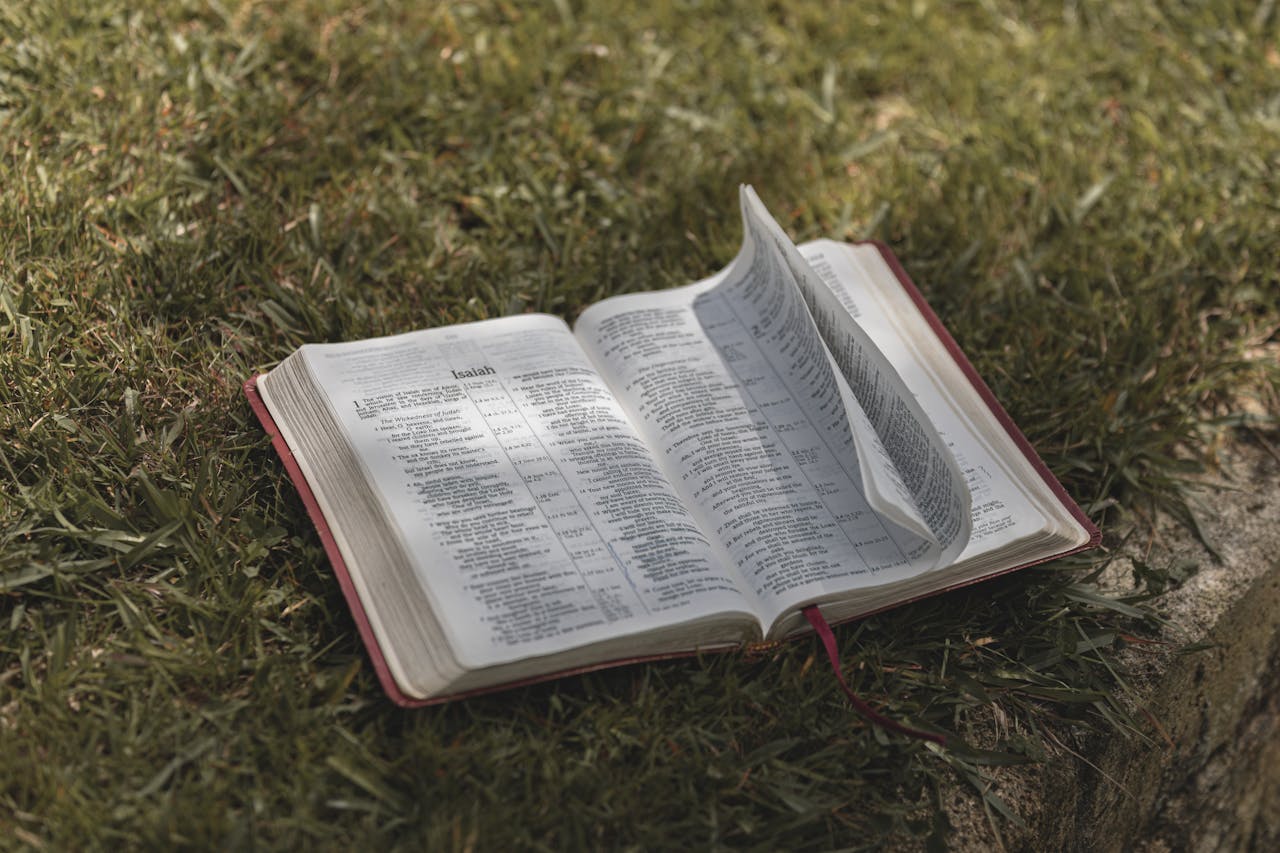
When we encounter the word shalom in the Bible, many of us think of it simply as “peace.” But in Scripture, shalom carries a depth that goes far beyond the absence of conflict. It encompasses completeness, prosperity, well-being, and harmony with God, others, and creation. Understanding the full meaning of shalom in the Bible is essential for every believer who desires not only peace in life but also a deep connection with God.
What is Shalom in the Bible?
The word shalom originates from the Hebrew root “sh-l-m”, which conveys the idea of wholeness, completeness, and safety. It’s not just a casual greeting like “hello,” as it is often used in modern Hebrew. In the biblical context, shalom reflects God’s ultimate blessing for His people, a state of spiritual, emotional, and physical well-being that comes from walking in His ways.
In the Old Testament, shalom is used to describe peace between nations, harmony within families, and even personal completeness. For example, Isaiah 26:3 (Holman CSB) says:
“You will keep the mind that is dependent on You in perfect peace, for it is trusting in You.”
Here, the peace mentioned is not merely the absence of trouble—it is the deep inner contentment and security that comes from trusting God, which is at the heart of shalom.
Shalom as Peace with God
The ultimate source of shalom in the Bible is God Himself. True shalom begins with reconciliation with God through faith in Jesus Christ. When sin separates us from God, there is no genuine peace. Romans 5:1 (NIV) tells us:
“Therefore, since we have been justified through faith, we have peace with God through our Lord Jesus Christ.”
This peace is the first dimension of shalom. It is spiritual harmony, a restored relationship with God that results in wholeness and security. Without this, any peace we experience in life is temporary and incomplete.
Shalom as Personal Wholeness and Well-Being
In addition to spiritual peace, shalom also refers to personal wholeness. It is the state of being complete in mind, body, and spirit. Psalm 23:3 (NKJV) illustrates this beautifully:
“He restores my soul; He leads me in the paths of righteousness for His name’s sake.”
Here, the restoration of the soul is part of God’s shalom, demonstrating that true peace is not just emotional calm but a fullness of life under God’s guidance.
Similarly, Job 22:21 (NASB) encourages:
“Please receive instruction from His mouth, And establish His words in your heart.”
Living in alignment with God’s Word fosters inner peace, clarity, and spiritual well-being—all central aspects of shalom.
Shalom in Relationships
The Bible shows that shalom extends beyond our relationship with God to our relationships with others. Proverbs 16:7 (NIV) reminds us:
“When the Lord takes pleasure in anyone’s way, he causes their enemies to make peace with them.”
Peace with others is not merely the absence of conflict—it reflects harmonious relationships grounded in justice, mercy, and love. This relational shalom is a reflection of God’s character, showing His desire for His people to live in harmony with one another.
Shalom and Physical Prosperity
While we often think of shalom as spiritual or emotional, the Bible also links it to physical well-being and provision. When God blesses His people, He grants them security, health, and prosperity.
Psalm 122:6 (NKJV) instructs:
“Pray for the peace of Jerusalem: May they prosper who love you.”
Here, the prosperity connected to peace is not selfish wealth but flourishing in life as God intended. The biblical concept of shalom includes having enough, being safe, and living in stability—a holistic sense of life’s completeness.
Shalom in the New Testament
While shalom is a Hebrew word from the Old Testament, its concept continues in the New Testament through Jesus Christ. John 14:27 (NIV) highlights this:
“Peace I leave with you; my peace I give you. I do not give to you as the world gives. Do not let your hearts be troubled and do not be afraid.”
Jesus introduces a peace that surpasses human understanding—shalom that comes from God’s presence in our lives. Philippians 4:7 (ESV) describes it as:
“And the peace of God, which surpasses all understanding, will guard your hearts and your minds in Christ Jesus.”
This illustrates that shalom is both protective and sustaining—a comprehensive peace rooted in Christ.
Shalom and God’s Word
One of the key ways to experience shalom is by hiding God’s Word in our hearts. Just as the Scriptures say, we must meditate on His Word daily so that it shapes our thoughts, actions, and relationships. Psalm 119:105 (Holman CSB) reminds us:
“Your word is a lamp for my feet and a light on my path.”
When we let God’s Word dwell in us, it brings guidance, clarity, and peace—all aspects of shalom. Colossians 3:16 (KJV) adds:
“Let the word of Christ dwell in you richly in all wisdom; teaching and admonishing one another in psalms and hymns and spiritual songs, singing with grace in your hearts to the Lord.”
This shows that shalom is cultivated by a life immersed in God’s Word, resulting in peace that touches every part of our lives.
Experiencing Shalom Daily
Understanding shalom meaning in Bible is one thing, but living in it daily is another. Here are practical steps to cultivate shalom in your life:
- Trust God fully – Isaiah 26:3 emphasizes that dependence on God brings perfect peace.
- Meditate on His Word – Psalm 119:11 encourages hiding God’s Word in your heart.
- Pursue reconciliation – Be quick to forgive and seek harmony with others.
- Live with integrity – Proverbs 4:23 says to guard your heart diligently, the source of life and peace.
- Pray consistently – Philippians 4:6 reminds us to present all requests to God, trusting Him to provide.
Through these steps, shalom becomes not just a concept but a daily reality—a state of wholeness and peace that flows from God into every area of life.
Shalom as a Reflection of God’s Kingdom
Ultimately, shalom is a glimpse of the Kingdom of God. When Christ returns, He will bring perfect shalom—complete restoration of creation, harmony among people, and eternal peace with God. Revelation 21:4 (NIV) describes this:
“He will wipe every tear from their eyes. There will be no more death or mourning or crying or pain, for the old order of things has passed away.”
This shows that shalom is not only for today but is also a promise for eternity—a state of perfect peace and completeness that God intends for all His people.
Conclusion: Embracing Shalom in Your Life
Understanding the shalom meaning in Bible teaches us that peace is not merely the absence of trouble but a holistic state of well-being, completeness, and harmony with God. Through faith in Jesus Christ, meditation on God’s Word, and pursuit of righteous living, we can experience shalom in every area of life—spiritual, emotional, relational, and physical.
Let us pray for this peace daily, live in alignment with God’s Word, and reflect His shalom to the world around us. As Psalm 29:11 (NIV) reminds us:
“The Lord gives strength to his people; the Lord blesses his people with peace.”
Shalom is God’s ultimate gift—may it dwell richly in your heart today and always.